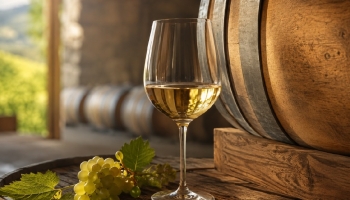
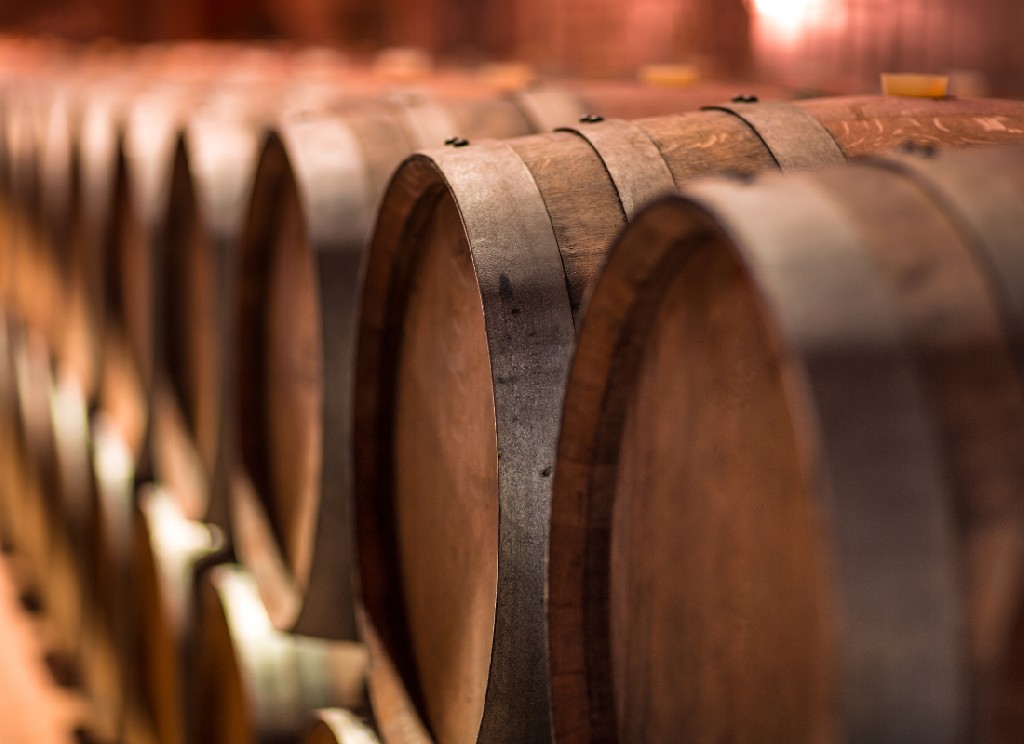
Not all wines are aged in oak, and those that are do not necessarily seek the same result. Barrel ageing can be subtle and almost imperceptible or play a more noticeable role in the wine’s final profile. It all depends on the type of oak, the size and age of the barrel, the length of ageing and, above all, the winemaker’s choices.
When used with balance, oak does much more than simply add aromas. Contact with oak can contribute to a richer texture, greater complexity and the gradual integration of the wine’s different elements. In some cases, it brings notes of spice, vanilla, toast or nuts; in others, its presence is much more subtle, allowing the fruit, freshness and character of the terroir to remain at the forefront.
In red wines, oak ageing can help soften and integrate the tannins, adding depth and structure. In white wines, it can bring body, texture and complexity, creating more gastronomic wines, often with interesting ageing potential. Even within the same region or grape variety, different approaches to oak ageing can result in completely different expressions.
French or American oak, new or used barrels, small barrels or large oak vats: each choice leaves a different signature. This is precisely one of the most fascinating aspects of winemaking — finding the point where oak complements the wine without masking its identity.
In our store, you will find a huge diversity of Portuguese wines in which oak plays different roles. From elegant, textured whites to deep and complex reds, discover how oak ageing can transform, complement and enhance a wine’s expression.
Discover our selection and taste the difference oak can make.