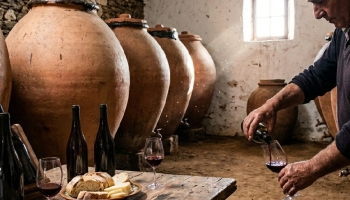
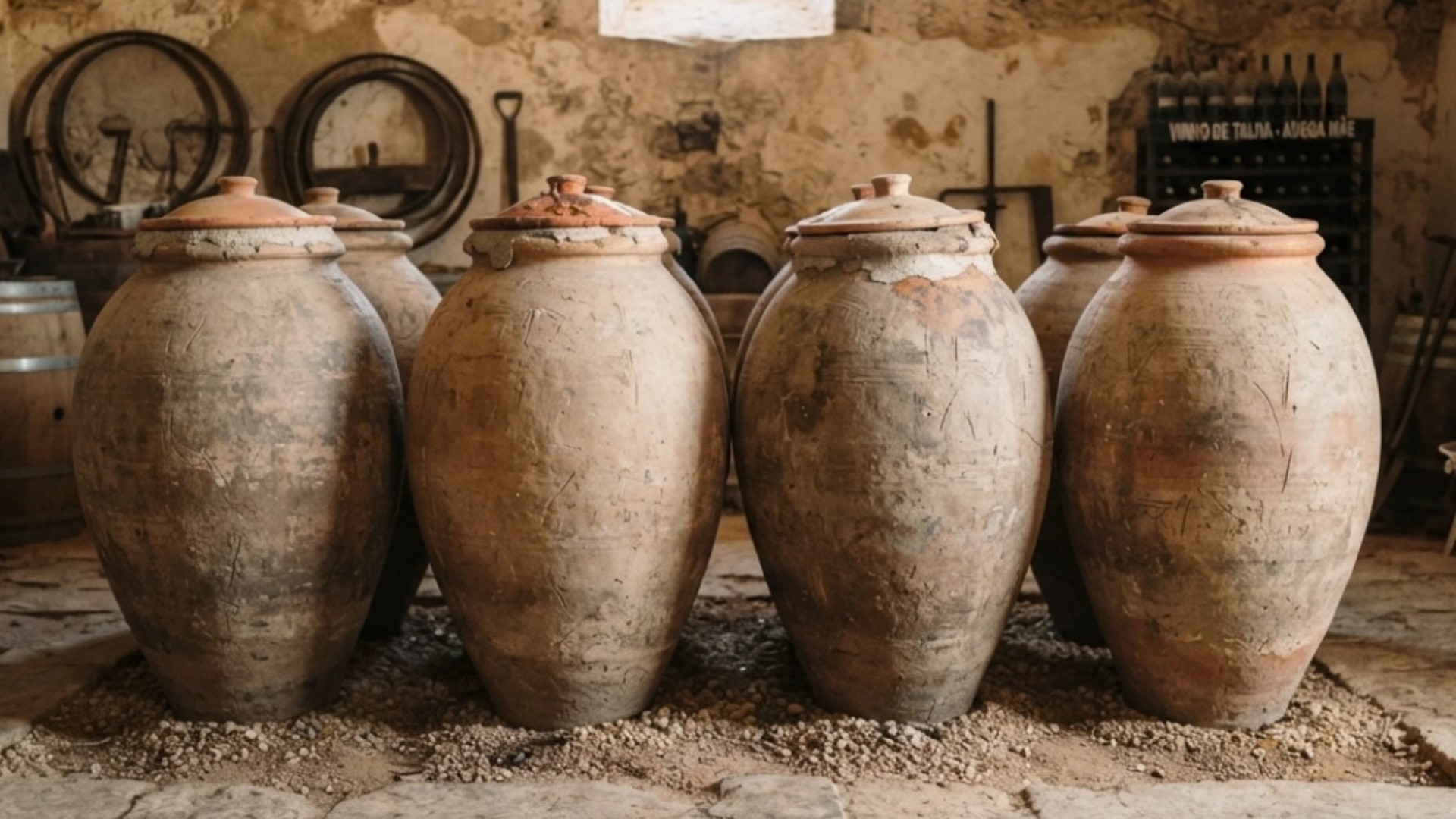
Some traditions never disappear; they simply find new ways to surprise us. In Portugal, the ancient art of making wine in clay amphorae is experiencing a remarkable revival, bringing centuries-old winemaking techniques back into the spotlight. Known as Vinho de Talha, this traditional method has deep roots in the Alentejo region, where large clay vessels have been used for generations to ferment and age wine.
Dating back to Roman times, this technique is characterised by its simplicity and minimal intervention. Grapes are crushed and placed inside large clay vessels, where fermentation takes place. This approach helps preserve the natural expression of the grape varieties and the authenticity of their origin, creating wines with a distinctive identity.
The result is a unique style of wine, often marked by freshness, texture and rustic elegance. Depending on the grape varieties and winemaking process, Vinho de Talha can reveal complex aromas, earthy notes and a remarkable expression of their terroir.
Today, a new generation of Portuguese winemakers is rediscovering this ancestral practice, combining traditional knowledge with a contemporary approach to winemaking. And with St. Martin's Day just around the corner, one of the most eagerly awaited moments of this tradition is approaching: the opening of the amphorae, marking the arrival of the new wines and inviting everyone to celebrate the flavours and customs of the Alentejo.
More than just a winemaking technique, Vinho de Talha represents a living connection to Portugal's cultural heritage. Discover this centuries-old tradition and enjoy wines where history, authenticity and flavour come together in every glass.