In a wine world where it is increasingly common to see the name of a single grape variety prominently displayed on the label, Portugal continues to preserve a tradition deeply rooted in its identity: the art of blending.
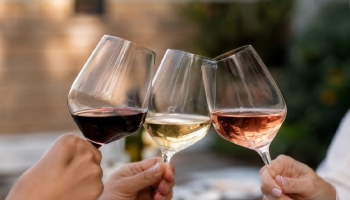
For generations, Portuguese winemakers have combined different grape varieties, seeking not the dominance of a single variety, but the balance between several. Each can bring something different to the wine — fruit, freshness, structure, aroma, colour or ageing potential — and it is precisely this complementarity that gives rise to many of Portugal’s great wines.
In the Douro, for example, Touriga Nacional, Touriga Franca, Tinta Roriz and Tinto Cão are often found side by side. In the Dão, combinations of Touriga Nacional, Alfrocheiro and Jaen are common, while different white varieties are also blended to create more complete and complex wines.
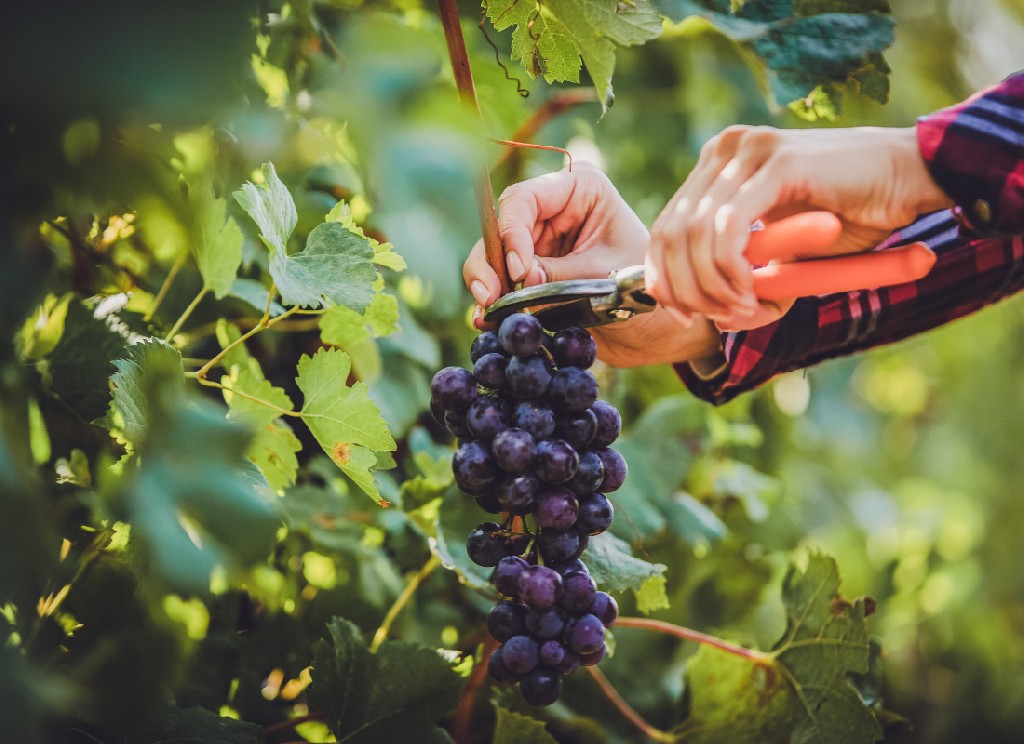
But creating a blend is much more than simply mixing wines. It is an exercise in balance, where the winemaker decides which varieties to use and in what proportions. In some of Portugal’s old vineyards, this diversity begins even before the grapes reach the winery: different varieties grow together in the same plot and may be harvested and vinified together.
Single-varietal wines allow us to discover the character of a particular grape variety. Blends reveal another side of Portuguese wine: the ability to transform diversity into balance, complexity and identity.
More than a winemaking technique, blending is part of Portugal’s wine history — and remains one of the best ways to discover the richness and diversity of Portuguese wines.