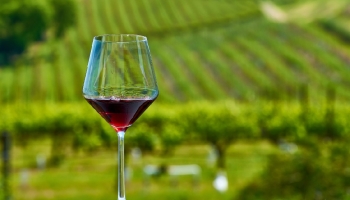

Choosing a Portuguese wine also means discovering a little of its history. But when looking at a wine label, it is natural to have a few questions: what does Colheita mean? And what is the difference between Reserve and Garrafeira? These terms are more than just words that distinguish wines: they help us better understand their origin, ageing process and the characteristics we can expect from each bottle.
The term Colheita generally identifies the year in which the grapes were harvested. This is important information for understanding the wine’s age and how the weather conditions of a particular vintage may have influenced its profile. Reserve, on the other hand, is a regulated designation indicating that the wine meets specific quality requirements. For still wines, it must display analytical and sensory characteristics that exceed the legal requirements for the standard category. It does not necessarily mean that the wine has been aged for many years, but rather that the producer has made a special selection.
Garrafeira is associated with a longer ageing process, both in oak barrels and in the bottle, in accordance with the legal requirements applicable to each type of wine. It is often used for wines intended for slower, more careful maturation, allowing them to develop greater complexity and depth over time.
Understanding these terms is a simple way to look at a wine label from a different perspective and make more informed choices. Each one tells part of the wine’s story and helps us discover what lies inside the bottle. Explore our selection of Portuguese wines and discover different expressions of our winemaking heritage, finding the perfect bottle for every occasion.